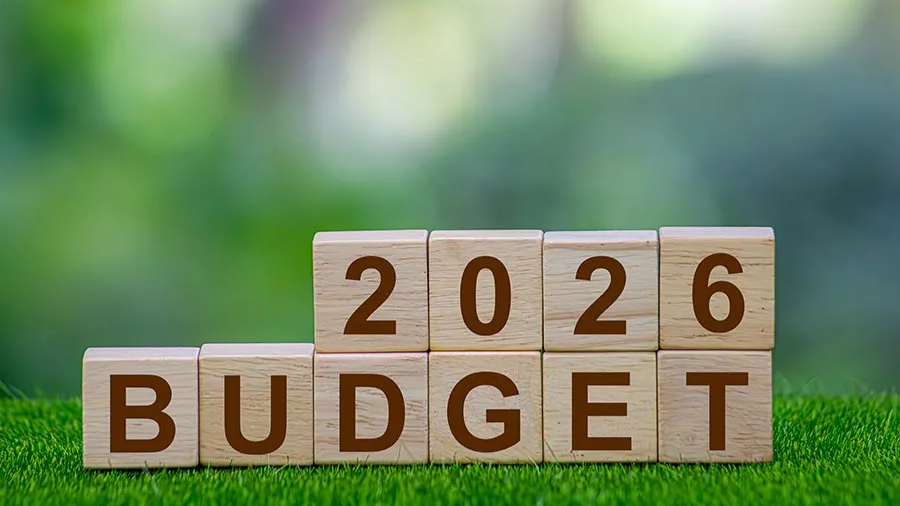
Managing your money well isn’t just about cutting expenses or saving more — it can also have a surprising impact on your credit score. As we head into 2026, budgeting is becoming one of the most effective tools for strengthening your financial health, avoiding missed payments, and building long-term creditworthiness.
Whether you have a full credit history or only a single credit card, a smart budget can help you take control of your finances and improve your future borrowing potential. Here’s how.
What's Included?
Why Budgeting Matters for Credit Health
Your credit score is built on how reliably you manage your credit. Budgeting plays a key role in that because it helps you:
- Avoid missed or late payments — the biggest factor affecting UK credit scores.
- Stay within your means, reducing your risk of borrowing more than you can afford.
- Keep credit utilisation low — ideally under 30% of your available limit.
- Build stability, which lenders value when assessing affordability.
Even if you only have a credit card and no loans or utility credit, your spending habits and financial stability still influence how lenders view you.
Budgeting Methods That Work for UK Households
There’s no single “best” way to budget, but these methods work well for most people:
1. The 50/30/20 Rule
A simple breakdown:
- 50% on essentials (rent, bills, transport)
- 30% on lifestyle spending
- 20% on savings or debt repayments
Great if you want an easy, low-stress starting point.
2. Zero-Based Budget
Every pound you earn is assigned a “job,” from bills to savings to daily spending.
This level of structure helps prevent overspending and supports consistent payments.
3. The Envelope / Pot System
Used digitally by banks like Monzo, Starling and Chase:
You split your money into virtual “pots” (e.g. bills, food, savings) to prevent overspending.
Budgeting Helps Even If You Have Little Credit History
If you don’t yet have multiple credit agreements, budgeting is still crucial. It helps you:
- Pay your credit card on time every month
- Avoid reliance on overdrafts
- Keep balances low, showing lenders you’re financially responsible
- Stay prepared for unexpected costs (which often cause missed payments)
Good financial behaviour over time builds a positive profile — even without loans or utility accounts.
Credit Utilisation: A Hidden Link Between Budgeting and Score
One of the simplest credit score improvements comes from managing how much of your available credit you use.
For example:
If you have a £1,000 credit limit and regularly spend £900 of it, your utilisation is 90% — high and risky in lenders’ eyes.
With a proper budget, you can:
- Spread spending more evenly
- Pay off your card in full each month
- Keep utilisation under 30%, which credit reference agencies consider “healthy”
Common Budgeting Mistakes That Harm Credit Scores
Watch out for these pitfalls:
- Relying on your overdraft as part of your monthly budget
- Spending without tracking (leads to missed payments)
- Not budgeting for irregular expenses like MOTs, birthdays or annual insurance
- Applying for new credit impulsively
- Ignoring small debts until they become a problem
Avoiding these helps keep your credit healthy.
A Simple “Budget + Credit Score” Action Plan for 2026
Step 1: Check your credit report
Spot any issues early — missed payments, incorrect information or high utilisation.
Step 2: Build a monthly budget
Choose a method you can stick to. Simplicity beats perfection.
Step 3: Prioritise essential payments
Set up direct debits for your credit card or any credit agreements.
Step 4: Reduce expensive or unnecessary spending
Small recurring costs often add up more than you expect.
Step 5: Put money aside for emergencies
Even £10–£20 per week helps prevent borrowing in crisis moments.
Step 6: Review every 1–3 months
Adjust your budget as your income or expenses change.
Final Thoughts
Budgeting may not directly appear on your credit report — but it underpins almost everything that does affect your score. In a cost-of-living environment where financial pressure continues, a solid budget helps you stay in control, avoid debt problems, and build a strong credit record for the future.
Whether you’re trying to improve your score, get more competitive loan rates, or simply feel more confident with your money, budgeting is one of the most powerful tools you can use in 2026.